
By Alan L. Wagner, MD, FACS
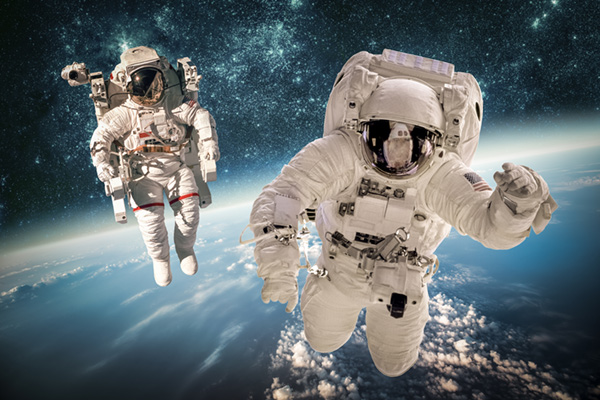
Being able to determine how someone’s health is when that someone is far away requires knowing what to measure, how to measure it, and how to get that information where it needs to go.
Our first American astronaut, John Glenn, had his blood pressure and heart rate measured in space during that inaugural flight, and ever since that time, we on the ground have been slowly adapting that technology to help those in need.
As an early member of the American Telemedicine Association, having established one of America’s first diabetic eye disease remote monitoring programs with the Strelitz Diabetes Institutes, and leading a team that developed a system for remote premature baby eye examinations to prevent blindness at CHKD, I can attest to the growing importance of telemedicine.
For patients over the age of 25, diabetes is the leading cause of blindness. All the evidence points to using regular examinations of the inside of the eye to find early diabetic changes, and stop them in their tracks. We used to examine patients with our own eyes, or use bulky cameras to take pictures of the inside of the eye, using film that had to be developed. Now the world has been turned on its head: there are robot cameras that do a fine job of taking these very important pictures. Even a clip-on adapter for a cell phone camera can take a pretty good picture of the inside of the eye. It’s great to get these pictures, but of course, it’s all about interpreting the images that matters, and giving that information back to patients and their healthcare team. Every day, our practice reviews dozens of images taken elsewhere to help patients from far away.
High blood pressure and heart disease require regular check-ins as well, and patients can’t always easily get to their doctors’ office or clinic for monitoring. Telemedicine enables us to offer patients in remote locations the opportunity to have these tests done locally, rather than having to travel. Using the same technology they use to have food delivered, they can deliver valuable information to their physicians. These aren’t just conveniences for patients; they also help keep the cost of healthcare under control by minimizing the cumulative financial impact of time lost from work due to extensive travel.
Of course, keeping the cost of healthcare under control also requires having the right people in place to diagnose and prescribe care. Telemedicine enables us to deliver this broad spectrum of affordable care, wherever our patients might be.
We salute and support our colleagues who join us in adapting cutting edge technology to bring personalized and affordable care to all those in need, wherever they may live.
 Alan L. Wagner, MD, FACS founded the Wagner Macula & Retina Center in 1987. He completed medical school at Vanderbilt University School of Medicine, residency at EVMS and a fellowship at Weill Cornell University Medical Center. wagnerretina.com