
By Saunora Prom, DO, FAOASM
As healers, we’re constantly looking toward the future for innovative ways to treat and manage injury and disease. Through regenerative medicine, we’ve found a different approach to healing that utilizes the body’s own ability to heal itself with noninvasive intervention from providers. By stimulating biological tissue repair, we can reduce invasive procedures and decrease patient reliance on pain medications. These treatments are revolutionizing the way we treat patients with musculoskeletal injuries and degenerative disorders.
One of the most common forms of regenerative medicine is stem cell therapy, an orthobiologic treatment that involves an injection of Microfragmented Adipose Tissue (MFAT) into the damaged area to regenerate and repair tissue. Another common form is Platelet Rich Plasma (PRP) Therapy, which injects platelets into a joint or damaged tissue to accelerate healing in specific areas. Extracorporeal Shockwave Therapy (ESWT) is a relatively new treatment using acoustic shockwaves to break down soft tissue calcifications, enhance collagen synthesis, and stimulate the healing process. Other forms of regenerative medicine include Prolotherapy, Bone Marrow Aspirate Concentrate (BMAC), and more.
While regenerative medicine treatment isn’t necessarily a substitute for surgery, it can provide significant benefits for patients. These treatments can offer a quicker recovery, lasting pain relief, improved function, and provide options for patients who aren’t good candidates for surgery or more traditional treatments. For many who don’t respond to injections or physical therapy, regenerative medicine closes a significant gap in care and provides relief from what can often be debilitating pain.
Regenerative medicine therapies offer our patients more than just lasting relief; they offer choices. While, as providers, we may know more about human anatomy, patients understand their own bodies best. By providing our patients with innovative treatment options, they can make more informed health decisions that align with their unique health goals.
With more research into different forms of regenerative medicine, we can uncover even better treatments that can help patients return to work and play. Through regenerative medicine, we’re advancing the field of orthopedics and changing the way we treat sports injuries.
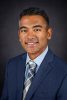
Saunora Prom, DO, FAOASM started Tidewater Sports & Osteopathic Medicine, Greenbrier in 2011 to provide the Hampton Roads area with a variety of interventions for orthopedic issues and with a vision to bring non-surgical options to the forefront of orthopedic medicine. He also provides the latest in concussion treatment, including ImPact testing and OMT. mytpmg.com